Good Eating Habits: 15 Daily Practices That Actually Stick
By the Habit Editorial Team · Updated July 2026
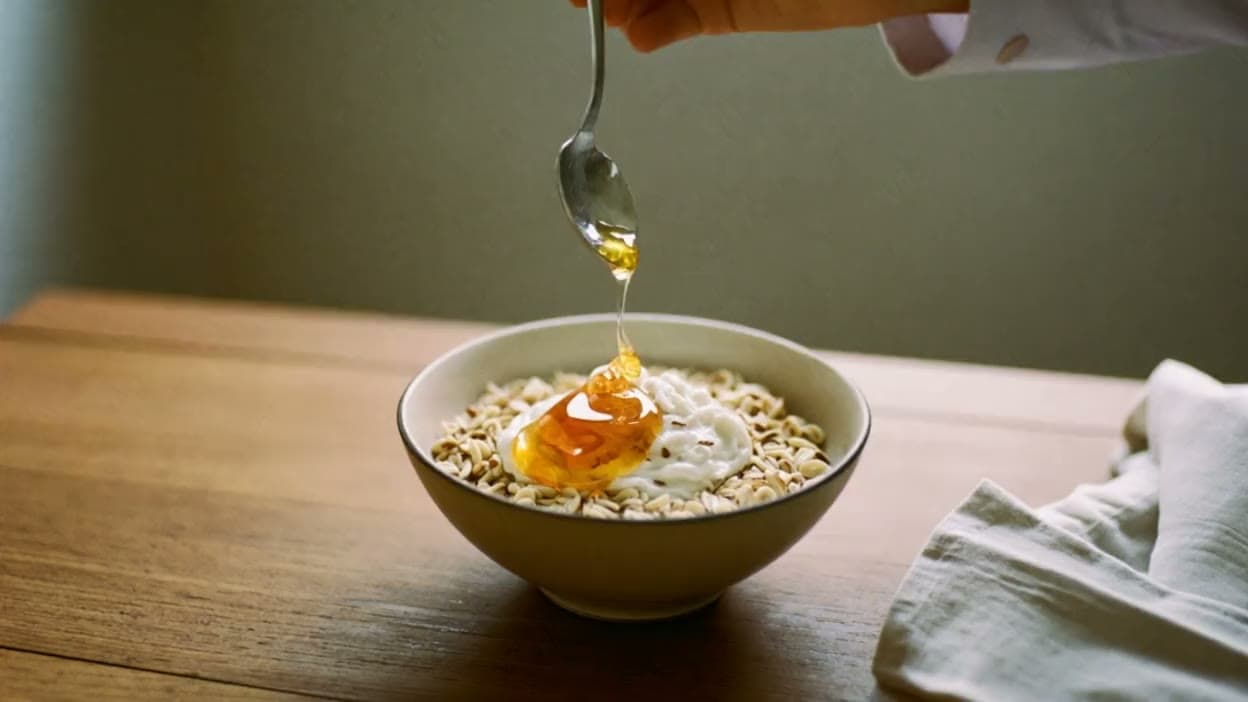
Building good eating habits doesn't have to be complicated or overwhelming. Whether you're cooking for yourself or feeding a whole family, the small daily choices you repeat—what time you eat, what's easy to grab, how you talk about food at the table—shape your health far more than any short-term diet ever will.
This guide walks through practical, proven strategies for transforming the way you eat: from making breakfast a priority and planning ahead, to building a gut-friendly plate, managing stress-driven snacking, and staying on track when you're traveling or eating out. The focus is on sustainable changes rather than strict rules, because habits you can actually keep are the ones that nourish both body and mind for the long haul.
What Are Good Eating Habits (and Why They Beat Diets)
Good eating habits are the small, repeatable actions—eating at consistent times, building balanced plates, drinking water, keeping nutritious foods within reach—that quietly shape your nutrition over months and years. Unlike diets, they don't depend on restriction or willpower. They depend on routine and environment, which is exactly why they last.
A diet asks you to change everything at once and hold on tight. A habit asks you to change one thing and let repetition do the work. That difference matters, because most people don't struggle with knowing what to eat. They struggle with doing it consistently on a Tuesday night when they're tired, running late, and the pantry is bare.
When you shift your attention from rules to routines, three things happen. You stop making dozens of exhausting food decisions every day. You stop treating one imperfect meal as a failure. And you start compounding small wins—an extra vegetable here, a glass of water there—into meaningful change.
| Diet mindset | Habit mindset |
|---|---|
| Starts on Monday, ends eventually | Starts today, no end date |
| Focuses on what to cut out | Focuses on what to add in |
| Measures success by the scale | Measures success by consistency |
| One slip = "I blew it" | One slip = one meal |
| Requires constant willpower | Runs on routine and environment |
| Same plan for everyone | Adapted to your body and life |
One more thing worth naming: the best eating habits are personal. Two people can eat the same balanced meal and respond differently in terms of energy, digestion, and blood sugar—differences driven in part by the microbes living in the gut. That's why a flexible framework, rather than a rigid meal plan, tends to serve people better. If you want to move from general guidelines to personalized guidance, understanding your own biology through Full Body Intelligence can help you fine-tune which foods work best for you.
Start With Regular, Balanced Meals
Eating at consistent times each day is the foundation of good eating habits. A predictable schedule helps regulate hunger hormones, steadies your energy, and dramatically reduces the odds of grazing on whatever's closest when you get too hungry. Pair that rhythm with balanced plates, and most other habits fall into place.
When you skip meals or eat at random times, your body loses its rhythm. You might feel tired, irritable, or hit with sudden cravings—especially for sugary, high-calorie foods. That's your energy dipping and your body demanding a fast fix. Eating on a regular schedule gives you steady fuel throughout the day, which helps you stay focused and feel your best.
It's not just about when you eat. It's also about what lands on the plate. A balanced meal includes a mix of whole foods: lean proteins (eggs, beans, lentils, fish, chicken), fiber-rich carbohydrates (brown rice, oats, whole-grain bread, sweet potato), and healthy fats (avocado, olive oil, nuts, seeds). Vegetables or fruit round things out with vitamins, minerals, and the fiber your gut microbes depend on.
A simple rule of thumb: include at least three food groups in every meal. Grilled chicken, quinoa, and steamed broccoli covers protein, carbs, and vegetables—all working together to keep you full and energized.
The four-part plate builder
| Component | Target portion | Everyday examples |
|---|---|---|
| Vegetables/fruit | Half the plate | Broccoli, peppers, greens, berries, roasted carrots |
| Protein | Palm-sized | Eggs, lentils, tofu, salmon, chicken, Greek yogurt |
| Fiber-rich carbs | Cupped-hand | Oats, quinoa, brown rice, beans, whole-grain bread |
| Healthy fats | Thumb-sized | Olive oil, avocado, almonds, tahini, pumpkin seeds |
Use the builder as a template, not a prescription. Once it becomes automatic, you can assemble a balanced meal from whatever's in the fridge without thinking twice—and that's when a healthy eating routine truly becomes effortless.
Make Breakfast a Daily Priority
Breakfast is your body's first chance to refuel after a night of rest. A balanced morning meal supports steady blood sugar, sharper focus, and better food choices for the rest of the day. If mornings are rushed, start small—a boiled egg, a piece of fruit, or overnight oats counts.
When you eat breakfast, you give your body the nutrients it needs to jumpstart your metabolism and keep energy stable. That helps you sidestep the mid-morning crash that so often leads to vending-machine decisions. A good breakfast also supports mental clarity, helping you concentrate, solve problems, and stay productive—whether you're heading into work, school, or a full day of errands.
Still, plenty of people skip it. Usually not because they doubt its value, but because they're not hungry, they're short on time, or they simply never built the habit. If that sounds familiar, lower the bar. Something as simple as fruit with nut butter or a slice of whole-grain toast with egg can shift your whole morning.
Aim for a mix of:
- Protein (eggs, Greek yogurt, cottage cheese, nut butter)
- Whole grains (oatmeal, whole-wheat toast, buckwheat)
- Fruits or vegetables (berries, spinach, tomatoes, banana)
- Healthy fats (avocado, chia seeds, walnuts)
These work together to keep you full longer and deliver lasting energy instead of a spike-and-crash.
Three fast breakfasts worth keeping in rotation: overnight oats with chia, berries, and yogurt; a two-egg scramble with spinach folded into a whole-grain wrap; or a smoothie with kefir, frozen fruit, ground flax, and a handful of greens. Each takes five minutes or less, and the first can be made the night before.
For families, eating breakfast together also models healthy behaviors and helps kids build a stronger, calmer connection to food.
Build a Gut-Friendly Plate
Your gut microbiome helps digest food, produce nutrients, regulate inflammation, and influence appetite and mood. Feeding it well is one of the most underrated healthy diet habits. That means prioritizing fiber diversity, fermented foods, and polyphenol-rich plants—and easing back on ultra-processed items that crowd them out.
The microbes in your digestive tract don't eat the same way you do. They ferment the fibers and plant compounds your body can't break down on its own, and in return they produce short-chain fatty acids and other metabolites that support your gut lining, immune system, and metabolism. Starve them of fiber, and that ecosystem narrows.
Here's what a gut-friendly plate looks like in practice:
- Go for plant diversity, not just plant quantity. Aim to rotate through as many different plants as you can each week—vegetables, fruits, whole grains, legumes, nuts, seeds, herbs, and spices all count. Variety feeds a wider range of beneficial microbes than eating the same three vegetables on repeat.
- Add fermented foods regularly. Yogurt with live cultures, kefir, sauerkraut, kimchi, miso, and tempeh introduce living microbes and fermentation byproducts to your meals.
- Include prebiotic-rich foods. Onions, garlic, leeks, asparagus, oats, green bananas, and legumes provide the specific fibers many beneficial bacteria prefer.
- Lean into polyphenols. Berries, olive oil, dark leafy greens, green tea, herbs, and spices deliver plant compounds that support microbial balance.
- Reduce ultra-processed foods. They tend to be low in fiber and high in additives, emulsifiers, and refined ingredients—and they displace the foods your microbiome actually needs.
One caveat worth respecting: gut responses are individual. A food that fuels one person's microbiome may cause bloating or discomfort in another, depending on which microbial species are present. If digestion has been a persistent frustration, testing what's actually happening in your gut with Gut Intelligence can replace guesswork with specifics—which foods to emphasize, and which to minimize for now.
Plan Meals and Snacks Ahead of Time
Planning is the habit that makes every other habit easier. When you already know what's for dinner, you're far less likely to make a rushed, hungry decision. Meal planning doesn't require spreadsheets—jotting down four dinners and stocking two or three grab-and-go snacks is often enough.
Start smaller than you think you need to. Plan a single meal per day and build from there. The goal isn't a perfect week of color-coded containers; it's removing enough friction that the healthy choice becomes the default one.
Here's how planning ahead pays off:
- It saves time and stress. Knowing what to cook removes the guesswork and those 6 p.m. "what's for dinner?" spirals.
- It makes grocery shopping more efficient. A focused list means fewer impulse buys and less food waste.
- It encourages balanced meals. You're far more likely to include produce, whole grains, and protein when you plan intentionally.
- It supports better snacking. Cut veggies, fruit, nuts, or yogurt on hand keeps you from defaulting to ultra-processed options.
- It saves money. Planned meals cut down on last-minute takeout, which adds up fast.
A 30-minute Sunday reset
1. Minutes 0–5: Look at the week. Note which nights are busy and need something fast or reheatable. 2. Minutes 5–10: Choose three or four dinners and one repeatable breakfast. Write the grocery list from those choices. 3. Minutes 10–20: After shopping, wash and cut produce. Portion snacks into containers. 4. Minutes 20–30: Cook one batch item—a pot of grains, a tray of roasted vegetables, a soup, or a sheet pan of protein.
That single half hour reduces dozens of decisions later in the week. Even partial completion helps: a bag of washed greens and a container of cooked quinoa can rescue three separate meals.
Involve the Whole Family in Meal Prep
Cooking together turns food into something shared rather than served. When kids and adults help plan and prepare meals, everyone becomes more invested in eating them—and children build skills, curiosity, and confidence around food that carry into adulthood.
Involving the family naturally nudges meals toward balance. You're more likely to include fruits, vegetables, and whole grains when several people weigh in, and over time everyone learns what a nutritious meal is actually made of.
Here's how family involvement makes an outsized impact:
- It builds confidence and life skills. Kids learn to follow recipes, measure, and practice kitchen safety.
- It encourages trying new foods. People are far more willing to taste something they helped make. "I don't like that" becomes "I made that!"
- It creates structure. Prepping at consistent times reinforces regular eating patterns and reduces random grazing.
- It reduces mealtime stress. Sharing the work makes cooking feel manageable on busy nights.
- It sparks conversation. The kitchen is a screen-free space to slow down, talk, and connect.
- It fosters appreciation. When everyone pitches in, there's real understanding of the effort behind each meal.
- It accommodates dietary needs. Allergies, sensitivities, and preferences get planned for rather than discovered mid-meal.
Match the job to the age: toddlers can wash produce and tear lettuce; early elementary kids can stir, measure, and set the table; older kids can peel, use a knife with supervision, and follow a recipe start to finish; teens can own an entire meal once a week. You don't need a gourmet production. Letting a child pick the vegetable at the store is enough to start.
Keep Healthy Foods Visible and Ready to Grab
Environment beats willpower. When nutritious food is washed, portioned, and at eye level, you eat more of it—automatically. When it's buried in a crisper drawer behind last week's leftovers, you don't. Redesigning your kitchen is one of the fastest ways to upgrade your daily healthy eating habits.
Start by organizing your fridge and pantry so the good stuff is front and center. Put washed fruit in a bowl on the counter. Store pre-cut vegetables in clear containers at eye level. Keep nuts, whole-grain crackers, and yogurt in easy-to-reach spots. The goal is to make the healthy choice the easy choice.
This works especially well for kids. When apples, baby carrots, and string cheese are ready to go, they get chosen over chips. It also supports more mindful snacking—prepped and portioned foods are far less likely to be eaten straight from the bag on autopilot.
A few tips that consistently work:
- Prep once, enjoy all week. Wash and cut produce right after grocery shopping, while motivation is high.
- Use clear containers. Visibility drives choice.
- Create a "snack zone" in the fridge. Stock it with boiled eggs, hummus, cheese, fruit, and whole-grain wraps.
- Store less nutritious foods out of sight. A high shelf or opaque bin adds a small pause—enough for a more intentional decision.
- Keep a backup shelf. Canned beans, tuna, frozen vegetables, and pre-cooked grains make a real meal possible on your worst night.
Stay Hydrated: Choose Water Over Sugary Drinks
Water supports energy, digestion, focus, and temperature regulation—and it helps you distinguish genuine hunger from thirst, which cuts down on unnecessary snacking. Making water your default beverage is one of the simplest, highest-return changes in building healthy eating habits.
Sugary drinks—soda, energy drinks, sweetened coffee, and even juice—deliver a quick lift followed by a crash, plus calories with little nutritional return. Water hydrates without added sugar and supports weight management, digestion, and mood.
Simple ways to stay hydrated:
- Start your day with water. A glass on waking helps your body reset after a night's sleep.
- Sip before meals. It aids digestion and can prevent overeating.
- Carry a reusable bottle. Proximity is everything—if it's in front of you, you'll drink it.
- Add natural flavor. Lemon, cucumber, mint, or a few frozen berries make plain water more appealing.
- Eat water-rich foods. Watermelon, cucumber, oranges, soups, and leafy greens all contribute.
- Anchor it to existing routines. A glass with every coffee, or every time you sit down at your desk.
The key is consistency—drink regularly throughout the day rather than waiting until you're parched. Over time this becomes second nature, and it quietly supports everything from brain function to skin health.
Practice Mindful Eating and Learn Your Hunger Cues
Mindful eating means paying attention while you eat—noticing flavor, pace, and how full you feel—instead of eating on autopilot. It's less about what's on the plate and more about how you meet it. Slowing down helps your brain register fullness before you've overshot it.
Fullness signals take roughly 20 minutes to fully register. Eat a meal in eight minutes while scrolling, and you'll finish before your body has a chance to speak up. Eat the same meal slowly, at a table, and you'll often need less to feel satisfied.
Try these practical shifts:
- Eat without a screen at least once a day. Start with one meal, not all three.
- Put the fork down between bites. It's a small mechanical change that naturally slows pace.
- Do a mid-meal check-in. Halfway through, pause and ask: am I still hungry, or just finishing what's there?
- Use a hunger scale. Rate hunger from 1 (famished) to 10 (uncomfortably full). Aim to start eating around 3–4 and stop around 6–7.
- Name the trigger. Before an unplanned snack, ask whether you're hungry, thirsty, bored, stressed, or tired. Only one of those is solved by food.
Mindful eating also improves digestion—chewing thoroughly and eating in a relaxed state supports the whole downstream process. And it makes food more enjoyable, which matters more than most nutrition advice admits.
Use Portion Awareness, Not Pressure
Portion awareness means understanding what a balanced serving looks like and recognizing when you're satisfied—not enforcing a clean plate. Especially with children, pressure backfires. People who learn to trust their own hunger and fullness cues develop a more natural, durable relationship with food.
Instead of "just one more bite" or insisting plates be cleared, focus on helping everyone recognize what balanced portions look like and when they've had enough.
Simple ways to encourage portion awareness:
- Use hands as a guide. A closed fist approximates a serving of rice or fruit, a palm works for protein, a cupped hand for grains, and a thumb for fats like nut butter or cheese. Hands scale with body size, which makes this surprisingly practical for families.
- Offer kid-sized plates and utensils. Smaller dishware naturally promotes appropriate portions and makes meals feel manageable.
- Let kids serve themselves. Choosing how much to take builds confidence and appetite awareness. Reassure them that more is available if they're still hungry.
- Avoid distractions at meals. Screens make fullness cues much harder to notice.
- Be a role model. Serve yourself with intention and stop when you're satisfied.
Portion awareness supports digestion and balanced nutrition, and it removes the power struggles that turn mealtime into a battleground.
Avoid Food Battles and Negative Talk
A calm, pressure-free table is one of the most powerful tools for building good eating habits—particularly for kids. When meals become a source of conflict, the result is often stress, pickier eating, and food relationships that stay complicated into adulthood.
Instead of forcing bites, negotiating over vegetables, or reaching for "you have to finish your plate," lean on encouragement, curiosity, and conversation. People try new foods and listen to their bodies more readily when they feel relaxed rather than judged.
Here's how to shift the tone:
- Keep mealtimes pressure-free. Don't use food as a reward or punishment. Let everyone eat at their own pace and stop when full.
- Use neutral language. Skip labels like "bad," "junk," or "fattening." Talk instead about how foods help the body grow, move, and feel strong.
- Watch how you talk about your own body. Kids absorb far more from offhand comments than from nutrition lessons.
- Be a calm role model. When you enjoy meals without guilt, others learn to do the same.
- Focus on connection, not control. Make meals about time together, not a tally of what got eaten.
- Respect preferences. If someone doesn't like a food, don't make it a battle. Keep offering variety—tastes genuinely change.
A useful division of responsibility: the adult decides what is served and when; the child decides whether and how much to eat. That single boundary defuses most mealtime standoffs.
Mix It Up: Try New Foods Often
Variety is a nutrition strategy, not a luxury. Different foods deliver different nutrients and feed different gut microbes, so a rotating menu covers more nutritional ground than a narrow one. "New" can be as simple as a different vegetable or a familiar food cooked a new way.
Why variety matters:
- Better nutrition. Each food brings something distinct—fiber, vitamins, minerals, antioxidants, healthy fats. A mix covers more of your needs.
- Supports gut health. A diverse diet feeds a wider range of beneficial bacteria, which supports digestion, immune function, and mood.
- Prevents food boredom. Fresh options keep healthy eating from feeling like a chore.
- Broadens tolerance. Exposure to a wide range of ingredients helps the palate and the gut adapt.
- Reduces repeated exposures. Rotating foods limits how often you encounter the same contaminants or additives.
- Supports sustainability. Seasonal, local produce adds variety while reducing food miles and supporting local growers.
For families with young kids, it can take ten or more exposures before a new food is accepted—and that's completely normal, not a failure. Keep offering without pressure. Serve new foods alongside familiar favorites, and try different preparations: raw, roasted, blended, shredded into something else.
Fun ways to keep it moving:
- Try a "new fruit Friday" or "meatless Monday."
- Pick one unfamiliar item on every grocery trip.
- Cook a dish from a different culture once a month.
- Let kids choose a recipe to make together.
- Set a weekly plant-count goal and track it on the fridge.
Rethink Snacks and Late-Night Eating
Snacks aren't the enemy—unplanned snacks are. A well-built snack bridges the gap between meals and prevents the overhunger that drives poor decisions. The pattern worth watching is grazing after dinner, which is usually driven by stress, boredom, or an under-fueled day rather than real hunger.
A good snack pairs protein or fat with fiber. That combination slows digestion and keeps energy steady, while a snack made only of refined carbs tends to leave you hungry again within an hour.
| Instead of | Try | Why it works |
|---|---|---|
| Crackers alone | Crackers + hummus or cheese | Adds protein and fat for staying power |
| Fruit juice | Whole fruit + a handful of nuts | Keeps the fiber, slows the sugar |
| Granola bar | Greek yogurt + berries | More protein, less added sugar |
| Chips | Roasted chickpeas or popcorn with olive oil | Fiber and crunch without the crash |
| Candy after dinner | Dark chocolate square + herbal tea | Satisfies the ritual, ends the meal |
If late-night eating is a pattern, look upstream. Ask whether lunch and dinner had enough protein and fiber, whether you're actually tired rather than hungry, and whether the kitchen is doubling as your evening entertainment. A firm "kitchen closed" cue—brushing your teeth, making tea, moving to another room—works better than sheer resistance.
Don't Overlook Sleep and Stress
Sleep and stress quietly steer appetite. Short sleep tends to increase hunger, intensify cravings for quick-energy foods, and drain the mental bandwidth that good decisions require. Chronic stress does something similar. Protecting rest is a legitimate nutrition strategy, not a side note.
After a poor night's sleep, most people don't crave salmon and vegetables—they crave sugar and refined carbs, because the body is looking for fast fuel. Layer on a stressful week and the pattern deepens: eating becomes reactive rather than planned.
What helps:
- Anchor your sleep schedule. Consistent wake times matter more than perfect bedtimes.
- Front-load caffeine. Keeping coffee to the earlier part of the day protects sleep quality.
- Eat enough during the day. Under-eating at breakfast and lunch is a reliable setup for evening overeating.
- Build a non-food stress outlet. A ten-minute walk, breathing exercise, or phone call addresses the actual problem.
- Lower the bar on hard days. Have two or three no-effort balanced meals you can assemble half-asleep. Consistency on tired days is worth more than brilliance on good ones.
Keep Good Eating Habits When Dining Out or Traveling
Restaurants, road trips, and holidays don't have to derail your healthy eating routine. The strategy shifts from control to preparation: eat regularly rather than saving up, scan menus in advance, prioritize protein and vegetables, and pack a backup so hunger never makes the decision for you.
For restaurants:
- Don't arrive starving. A small protein snack beforehand keeps you deciding with a clear head.
- Look at the menu first. Choosing before you sit down removes pressure and social influence.
- Anchor on protein and vegetables, then add the parts you're most excited about.
- Ask for simple modifications. Dressing on the side, extra vegetables, grilled instead of fried—these are routine requests.
- Watch liquid calories. Alcohol and sweetened drinks add up quickly and loosen intentions.
- Decide about dessert once, not repeatedly. Sharing one is a perfectly good answer.
For travel:
- Pack a travel kit. Nuts, jerky, whole fruit, single-serve nut butter, and a refillable water bottle cover most gaps.
- Book lodging with a fridge when you can. Even yogurt, fruit, and eggs change the week.
- Keep one anchor habit. Maybe it's a protein-forward breakfast every day. One consistent anchor keeps the whole routine from unraveling.
- Hydrate deliberately. Travel is dehydrating, and thirst masquerades as hunger.
Support Healthy Eating With Physical Activity
Movement and nutrition reinforce each other. Food supplies the fuel; activity helps your body use it well—supporting metabolic health, digestion, muscle and bone strength, mood, and sleep. You don't need a gym membership. You need regular movement you'll actually repeat.
Regular activity amplifies the benefits of balanced meals: it supports healthy weight management, improves digestion and regularity, strengthens muscle and bone, and lowers risk for chronic conditions like heart disease and type 2 diabetes. It also eases stress and improves sleep—both of which loop right back into better eating.
How to make movement a natural part of the routine:
- Start small and stay consistent. Short walks, stretching, or dancing in the living room all count.
- Choose activities you enjoy. Gardening, cycling, swimming, yoga, or chasing kids around the yard beats a workout you dread.
- Make it a family thing. A weekend hike or a game of catch builds strong bodies and strong bonds.
- Match food to movement. Fuel up beforehand and recover with protein and carbs afterward to support energy and muscle repair.
- Listen to your body. Lighter days may need less food; heavier days need more. Rigid rules serve you poorly here.
- Stack it onto existing habits. A ten-minute walk after dinner supports digestion and takes almost no planning.
A Sample Week: What a Healthy Eating Routine Looks Like
A realistic week isn't gourmet or Instagram-ready. It repeats what works, leans on batch cooking, and leaves room for leftovers and takeout. Here's one example of how the best eating habits translate into an ordinary seven days.
| Day | Breakfast | Lunch | Dinner | Snack |
|---|---|---|---|---|
| Mon | Overnight oats + berries | Grain bowl: quinoa, chickpeas, greens | Sheet-pan salmon + roasted vegetables | Apple + almonds |
| Tue | Veggie scramble + toast | Leftover salmon over salad | Turkey chili + side salad | Yogurt + seeds |
| Wed | Greek yogurt + fruit + walnuts | Leftover chili | Stir-fry: tofu, mixed veg, brown rice | Hummus + carrots |
| Thu | Smoothie: kefir, greens, flax | Whole-grain wrap + hummus + veg | Pasta with beans, spinach, olive oil | Boiled egg |
| Fri | Overnight oats + banana | Big salad + leftover tofu | Homemade pizza night with veg toppings | Popcorn |
| Sat | Eggs + avocado toast | Soup + whole-grain bread | Dinner out — protein + vegetables first | Fruit |
| Sun | Pancakes + fruit + yogurt | Leftovers cleanup | Roast chicken, potatoes, greens (batch cook) | Dark chocolate + tea |
Notice the mechanics: dinners intentionally create lunches, breakfasts repeat, one night is takeout or dining out, and Sunday's roast feeds the start of the next week. That's not a compromise—that's the design.
Common Mistakes That Derail Healthy Diet Habits
Most people don't fail at healthy eating because they lack information. They fail because they change too much at once, set unrealistic standards, or treat one imperfect meal as proof the whole effort collapsed. Recognizing these patterns early makes them much easier to sidestep.
- Changing everything at once. Overhauling breakfast, snacks, dinners, and exercise in the same week is a recipe for burnout. Pick one habit and let it stabilize for two weeks first.
- All-or-nothing thinking. A single indulgent meal isn't a setback. Abandoning the routine for the next five days is.
- Under-eating early, overeating late. Skimping at breakfast and lunch almost always shows up as evening grazing.
- Not enough protein or fiber. Meals built mostly from refined carbs leave you hungry within the hour, no matter the calorie count.
- Relying on willpower instead of environment. If the counter is covered in cookies, willpower will lose eventually. Change the setup.
- Copying someone else's plan. Bodies respond differently to the same foods. What transformed your friend's energy may do nothing for yours.
- Ignoring enjoyment. Food you dislike is a plan with an expiration date. Build meals you actually look forward to.
- Measuring only the scale. Energy, digestion, sleep, and mood are faster and often more meaningful indicators of progress.
How to Track Progress and Stay Consistent
Track the behavior, not just the outcome. Habits are built through repetition, so the most useful metric is how often you did the thing—not what the scale says. Simple, visible tracking plus a two-week trial period is usually enough to make a new habit stick.
A few approaches that work:
- Use a habit checkmark. One box per day on a calendar for the single habit you're building. Streaks are motivating; visible gaps are informative.
- Follow the never-miss-twice rule. Missing once is life. Missing twice is the start of a new pattern. Get back to it at the next meal, not next Monday.
- Stack new habits onto old ones. "After I pour my coffee, I drink a glass of water." Existing routines are the best scaffolding.
- Run two-week trials. Commit to one change for fourteen days, then evaluate honestly: did it fit your life, and did you feel better?
- Notice non-scale wins. Steadier afternoon energy, better digestion, fewer cravings, improved sleep, less decision fatigue.
- Get objective data when you want precision. Subjective feel takes you far, but if you want to know which foods your body and microbiome actually respond well to, testing gives you a starting point that generic guidelines can't.
Keep It Simple and Sustainable
You don't need to overhaul your lifestyle or follow complicated rules to make progress. The most effective good eating habits are simple, realistic, and easy to repeat—which is exactly why they survive busy weeks, travel, and the occasional terrible Tuesday.
Consistency is the whole game. That means choosing meals and routines that fit your actual schedule and preferences, not an idealized version of them.
Here's how to keep it simple:
- Start small. One change at a time: a vegetable at lunch, more water, breakfast at home.
- Repeat what works. Eating similar balanced meals through the week is efficient, not boring. You don't have to reinvent the menu daily.
- Plan a little. A short list or rough weekly outline prevents most last-minute decisions.
- Use what you have. Frozen vegetables, canned beans, eggs, and leftovers make genuinely good meals.
- Give yourself grace. One off-day doesn't undo your progress. Returning to the routine without guilt is the actual skill.
The goal is to eat better, most of the time, in a way you can keep going. When your healthy eating routine fits your life, it stops requiring effort—and that's how real, lasting change happens.
Frequently Asked Questions
How long does it take to build good eating habits?
It varies widely, but most people need several weeks of consistent repetition before a new behavior feels automatic—simple habits like drinking water in the morning land faster than complex ones like weekly meal prep. Focus on one change at a time and measure success by frequency, not perfection.
What are the best eating habits to start with?
Start with the three highest-leverage habits: eat meals at consistent times, include protein and fiber at every meal, and make water your default drink. These stabilize energy and hunger, which makes every other habit—portion awareness, better snacking, less late-night eating—significantly easier to maintain.
Do I have to give up my favorite foods?
No. Elimination-based approaches tend to backfire because they build resentment and rebound eating. Aim for balance instead: build most meals from whole foods, keep favorites in the rotation without guilt, and pay attention to portion and frequency rather than banning entire categories.
How can I build healthy eating habits on a tight budget?
Lean on frozen vegetables, canned beans and fish, eggs, oats, rice, and seasonal produce—all inexpensive and nutritionally strong. Plan meals to reduce waste, cook in batches, and let dinners create the next day's lunch. Planning, not premium ingredients, is what makes budget eating work.
Why do healthy foods affect people differently?
Individual responses to the same food differ based on genetics, metabolism, medications, activity, and especially the composition of the gut microbiome. That's why one person thrives on a food that leaves another bloated or sluggish—and why personalized insight is often more useful than general advice.
Is it okay to eat the same meals every day?
Mostly yes, with one caveat. Repetition makes healthy eating easier and reduces decision fatigue. But dietary variety supports a more diverse gut microbiome and broader nutrient intake, so keep a stable framework while rotating the specifics—different vegetables, grains, and proteins within the same familiar meal structure.